
Job Offer Red Flags: 10 Warning Signs to Check First
Most job offer red flags are visible before you sign, if you know where to look. The ten job offer red flags below, grouped by where they appear, are the ones career advisers and recruiters see most often, and each comes with a check you can run in minutes. A single flag is a reason to ask a question. Two or three together are a reason to slow down. Four or more, and the best decision is usually to decline, however good the salary looks.
TL;DR: Watch for pressure to decide today, a role nobody can describe, no written offer, pay below the posted range, high turnover signals, unpaid trial work, interviewers who cannot describe a normal week, a title or duties that changed after the interview, vague answers about the manager, and requests for money or personal documents before you start. One flag means ask. Several mean decline.
Red flags in how the offer is made
1. Pressure to sign today
A real employer wants you to say yes with confidence, because a new hire who regrets the decision leaves within a year. An offer that expires in 24 hours, or a recruiter who calls twice a day for an answer, tells you how the company treats people once they are inside.
Check: ask for three to five business days in writing. A reasonable employer says yes. If the answer is "we need to know today", ask why. Sometimes there is a real reason. Often there is not.
2. No written offer
A verbal offer is a promise; a written offer is a document. An employer that delays the letter, sends one missing the salary or start date, or asks you to resign before the paperwork arrives is asking you to carry all the risk.
Check: do not resign until you hold a signed agreement stating title, salary, start date, vacation, benefits and probation. Our guide on how to respond to a job offer shows how to ask.
3. Unpaid trial work
A short skills test related to the role is normal and fair. Being asked to complete a week of real work for free, deliver a full project plan the company can use, or "start Monday and we will sort the paperwork later" is not a test. It is unpaid labour, and it signals an employer that will not respect boundaries later.
Check: ask whether assessment work is paid and how long it takes. Anything beyond a few hours should be paid or declined.
4. Requests for money or documents before you start
No legitimate employer asks you to pay for training, equipment, background checks or "onboarding fees" before you begin, and none asks for banking details or government identification before an offer is signed. These requests are the signature of fraudulent offers, which often follow a short text-message interview for a role you barely remember applying to.
Check: verify the company through its official website and a phone number you find independently. Never send money. Report suspected fraud to the Canadian Anti-Fraud Centre.
Red flags in the role itself
5. Nobody can describe the role
If three interviewers gave three different accounts of what you would do, the job has not been designed, and you would be judged against expectations nobody wrote down.
Check: ask the hiring manager, "What would I be doing on a normal Tuesday in month three?" and "How will you know in six months that this hire worked?" Specific answers are good. Slogans are not.
6. Pay below the posted range
An offer below the range in the posting you applied to needs an explanation. "We felt you were at the lower end of experience" can be honest. "The range was a guideline" is not, and it tells you what other promises may be worth.
Check: compare the offer with the posting, and ask directly. Our guide on how to evaluate a job offer covers total compensation, so a lower base is weighed against the rest.
7. The title or duties changed after the interview
You applied for a coordinator role and interviewed for it. The offer says "assistant" or lists duties never mentioned. Sometimes this is a clumsy template. Sometimes the company has reshaped the role to fit a lower budget and hopes you will not notice.
Check: read the offer letter beside the posting. Any change in title, reporting line, location or duties gets a written question first.
Red flags in the people
8. Turnover signals
Roles that reappear every few months, teams where nobody has been there longer than a year, and a manager four months into the position are all signs that people leave quickly. Persistent turnover means something is being tolerated.
Check: look at how long current team members have been in their roles on professional networks, and ask "Why is this role open?" A departure is normal; a pattern is not.
9. Interviewers who cannot describe a normal week
Ask each interviewer what a normal week looks like on the team. People who enjoy their work answer easily and specifically. Exhausted people give short, careful answers or change the subject to the mission.
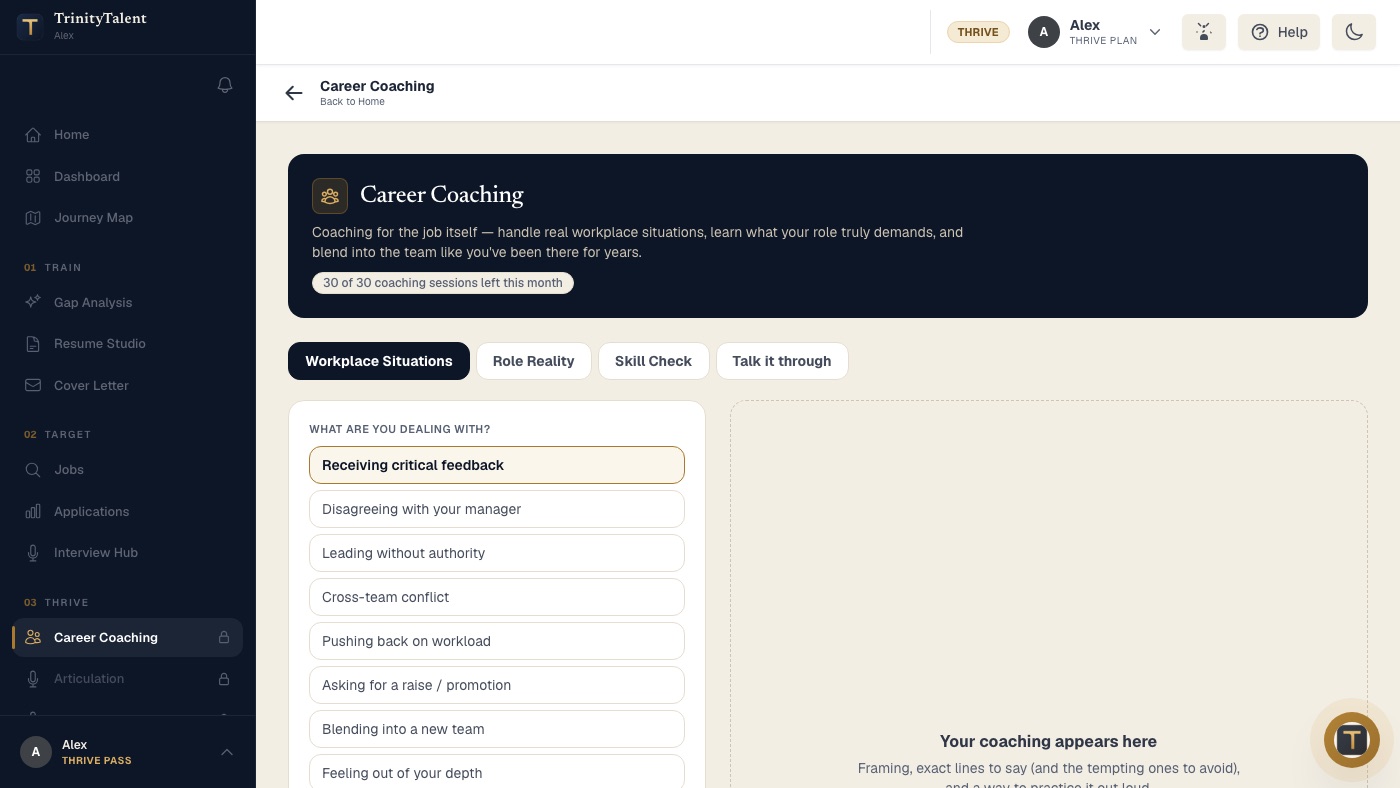
A role reality briefing, which describes what a role actually demands day to day, gives you a baseline. If what the interviewers described is far from it, ask why.
10. Vague answers about the manager
"Who would I report to?" should have a one-word answer. If the manager has not been hired yet, is "being finalised", or changed between interviews, you would be joining a team without leadership.
Check: request fifteen minutes with the manager before accepting, if you have not had a real conversation yet. A refusal is itself a flag.
How to weigh what you found
Write down each flag you saw and the answer you received. A flag with a good answer is closed. A flag with a poor answer is a question mark. Add the question marks to the weighted scorecard from our job offer evaluation guide, and let them lower the relevant row rather than deciding on emotion.
If you decide to walk away
Decline promptly and in writing, thank the people who spent time on you, and give one honest reason or none. The guide on how to decline a job offer has the emails.
How TrinityTalent helps
TrinityTalent's Career Coaching includes role reality briefings that describe what a role truly demands day to day, which gives you a grounded picture to compare against what the interviewers told you. A large gap between the two is flag nine made measurable. The Skill Check builds eight practical questions from the pasted posting, so you can also see whether the duties in the offer letter match the posting you applied to.
The application tracker keeps the original posting and the resume version you sent on each card, so the title, pay range and duties you were promised are one click away when the offer arrives. When you need to ask a hiring manager or recruiter a hard question, Career Coaching's workplace-situation scripts give you the lines to say. Free to build, edit and export your resume. AI tailoring, interview practice and coaching run on prepaid passes, and nothing renews by itself.
Frequently asked questions
What are the biggest red flags in a job offer?
The strongest are pressure to decide within a day, no written offer, pay below the posted range, a role that interviewers describe differently from one another, and any request for money or personal documents before you start. Turnover signals and unpaid trial work are close behind. One flag is a question; several are a reason to decline.
Is it a red flag if a job offer expires in 24 hours?
Usually, yes. A confident employer wants a considered yes and will grant three to five business days when you ask in writing. Occasionally there is a real reason, such as a budget deadline, and a good recruiter will explain it. If the only answer is "we need to know today", treat it as a warning about how the company treats people.
How can I tell if a job offer is fake?
Fraudulent offers usually arrive after a brief text or chat interview for a role you barely remember applying to, and ask for money, banking details or identification before anything is signed. Verify the company through its official website and a phone number you find independently, and never pay for training, equipment or background checks.
Should I accept a job offer with red flags?
Ask about each flag and record the answer. A flag with a clear, honest answer is closed. A flag with a vague answer lowers the score for that factor in your offer evaluation. If several remain open, decline politely and in writing. A good salary rarely compensates for a role nobody can describe or a manager nobody can name.
Put this into practice
Run a role reality briefing in Career Coaching for the job you were offered and compare what a normal week should look like with what the interviewers described.
Practise a mock interview